Vojtech Löffler
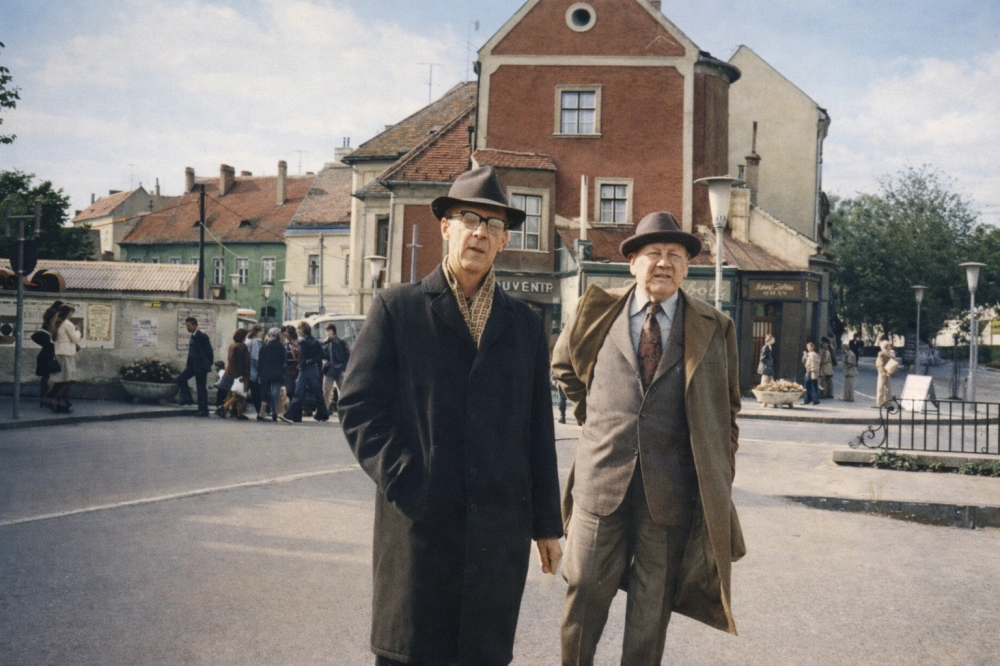
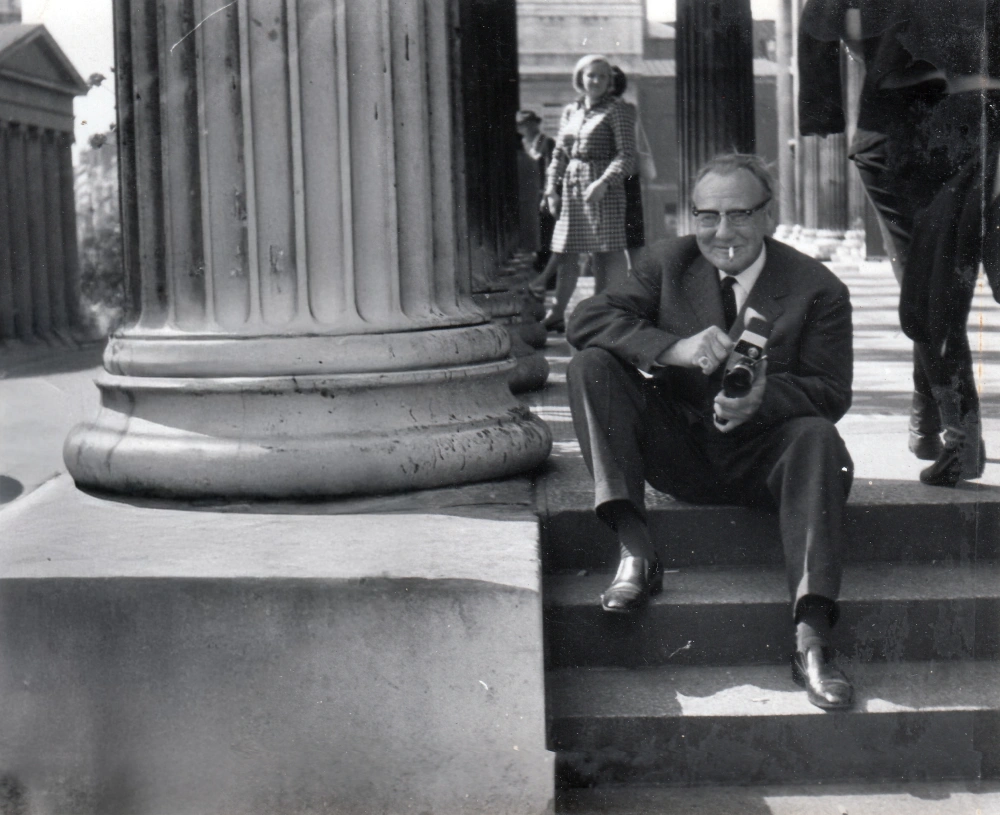
Sculptor Vojtech Löffler was active in the art scene from the mid-1930s. He was among the first Eastern Slovak sculptors. Löffler was a solitary figure in the developing sculptural environment, known as the author of lyrical chamber sculptural works. From the mid-1940s, however, he also created monumental sculptures through which he intensely entered public space. For more than three decades, the artist's name has been associated with the Vojtech Löffler Museum, where a permanent exhibition of the artist's work is presented to the public.
Vojtech Löffler's sculptural work, in relation to parallel contemporary artistic concepts, did not clearly align with progressive trends. The artist's solitary line was defined by the specifics of the development of his artistic program. A late decision to devote himself exclusively to artistic creation, the difficult war period, especially his capture and years spent in a prisoner-of-war camp in the USSR (1945-1947), fundamentally influenced Löffler's artistic development. Looking at the entirety of the artist's work, we observe expressive categories that, on one hand, mirror syncretic local modernist concepts, and on the other hand, place a large part of the artist's oeuvre within European modernism.
In Löffler's work, we observe the autonomization of sculptural masses and volumes and a gradual process of formalizing the artistic language, as a result of which the sculptor favored the constructive problems of artistic form, the importance of stylization, rhythmic syntax, liberating himself by abstracting detail in favor of pure form prevailing over anatomical bodily modeling. This elimination of anatomical ties in depicting the human body, minimization of physiognomy, abstraction of earlier romanticizing features or more expressive emotional expression, was replaced by an increasing need for formal stylization, denial of portraiture, and in later periods, strong abstraction of proportional relationships in sculptures. The strongly reductive artistic expression was complemented by the sculptor with an artistic language of abstracting artistic form. By abstracting composition and classical figurative features, he produced his most valuable works in the last decade of his career.
In Löffler's sculptural concept, there is an interweaving of its diverse polarities. Pure sculptural form with the absence of detail contrasts with the approach of a carver focusing on carving detail. Emphasized mannerism in fine drawing, emphasis on technical attributes and achieved virtuosity, effort for carving meticulousness in the case of wooden carved sculptures and metal cast works. On the other hand, the author, by creating pronounced verticals, denies the need to respect proportions and sculptural expression, abstracting anatomy. A consistent perception of the transformation of sculptural form, preference for the form of sculptures in the shape of idols or simplified verticals shows the artist's inclination towards abstracted and archaic creativity. This Löffler atavism communicates with deeper and primary sources of European visual modernism reaching for the adoption of pure, geometrically abstracted form. These aspects also suggest the influence of foreign environments that the author often visited, as well as several meetings with Pablo Picasso, which were facilitated for him in Paris by the artist Alžbeta Grossova-Galambová.
The dynamic development of the artist's form points to the author's looseness. Pure linearity is evident in abstracted sculptural sculptures made of linear wire. Despite elements of realistic creation and monumental memorial works, the author remains a chamber sculptor with an attractive genre model of sculpture. The geometrized form was continuously interwoven throughout his work. Restlessness and tension were legitimized as two lines of his work that arose from fundamental developmental motivations.
The artist's search for beauty and nobility in the structure of wood, stone, silver, ivory, obsidian in material exclusivity represents an antithesis to contemporary artistic concepts. Löffler's work represents the finding and defining of a contemporarily relevant sculptural form, integrable in key works with the then-dominant sculptural concepts. Vojtech Löffler worked with faith in the values of craftsmanship expression, respect for material, which in several works contrasted with the contemporary preference for a more profane approach and material pauperization.

Vojtech Löffler
Löffler's visual language was based on realistic sculptural positions. Alongside portrait compositions, the author applied socially themed genre topics, capturing emotional bonds, a variable degree of realistic or abstracted language. From the beginnings of his work, we perceive the author's dualism in perceiving the created form. Löffler is capable of pure and softly modeled sculptural form of realistic form as well as modern abstracted sculptural composition in the same period.
Reduced abstracted forms of figures with limitingly sketched faces and significantly limited proportions represent the artist's inner discourse as well as becoming an immanent part of European visual modernism.
The abstracted composition of sculptural works represents in Löffler's work an antithesis to formally perfect stone, metal, or wooden sculptures and indicates a deeper inner motivation of the author.
Just as his intense effort in discovering the laws of material, searching for craftsmanship precision and understanding the creative process and the breadth of material interest from stone, through wood, ivory, bronze, tin, ceramics, wood, lead, shells... The idea of cutting into natural material, ivory, mother-of-pearl or shell evokes the idea of primal artistic expressions, identifiable with the author's idea of finding the primary artistic protoform. Likewise, the discovery of the primal need for creation or even the hedonistic need to produce points to the rather complex components of Löffler's sculptural concept.
A significantly codified artistic model, an acceptable degree of lyricism, strong abstraction of form, attractive material choice, precise execution, and a classic thematic range of figurative works strongly accelerate Löffler's sculpture for the contemporary expressive categories of the 21st century.
Ivan BALÁŽ, PhD.
art theorist, curator, and director of the Vojtech Löffler Museum